



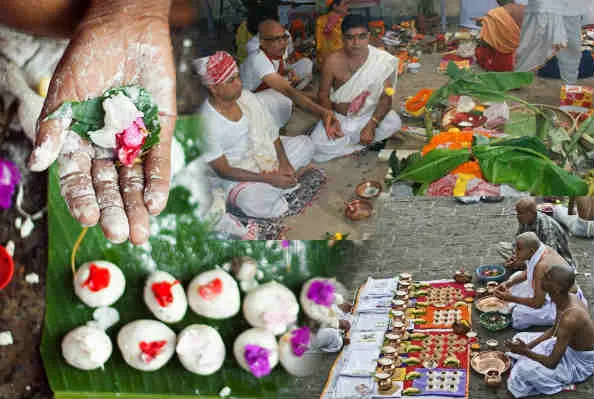
Sarvapitru Amavasya 2026: Importance of this last day of Pitru Paksh
The shradh paksh is dedicated to our ancestors and considered highly significant in Hindu religion. During this period, people do pind daan for pitru shanti i.e. rituals for the soul of ancestors to rest in peace. The last day of this pitru paksh is known as Pitru Visarjan Amavasya, or Mahalaya Samapan or Mahalaya Visarjan or Mahalaya Amavasya. The shradh paksh also ends on this day. This year it falls on Saturday, October 10, 2026. Hence, let us learn about some interesting aspects related to sarvapitru amavasya.
Sarvapitru Amavasya 2026 Date and Time
All shradh rituals should be performed between Kutup Muhurat and the close of Aparahna Kaal, that is 11:45 AM to 03:37 PM (as per the Hindu Panchang), and never after sunset. Kutup Muhurat is considered the most auspicious of the three windows, and the three run consecutively as one continuous block. Check all Pitru Paksha Shraddh dates for 2026.
| Detail | Date / Time |
|---|---|
| Sarva Pitru Amavasya 2026 Date | Saturday, 10 October 2026 |
| Also Known As | Mahalaya Amavasya, Amavasya Shraddha, Pitru Visarjan Amavasya, Sarvapitra Moksha Amavasya |
| Tithi | Ashwin Krishna Amavasya (Bhadrapada Amavasya in amanta reckoning) |
| Amavasya Tithi Begins | 09:35 PM on 9 October 2026 |
| Amavasya Tithi Ends | 09:19 PM on 10 October 2026 |
| Kutup Muhurat | 11:45 AM to 12:31 PM |
| Rohina Muhurat | 12:31 PM to 01:18 PM |
| Aparahna Kaal | 01:18 PM to 03:37 PM |
| Pitru Paksha 2026 | 26 September to 10 October 2026 |
Significance of Sarvapitru Amavasya:
Sarvapitru Amavasya is highly suitable for people who are not aware about the mrityu tithi of their ancestors, or if they are unable to perform tarpan and pind daan during other days of shradh paksh. The souls of all ancestors depart on the mahalaya day. It is believed that the soul of an ancestor visit the house of its descendant with the expectation of shradh or tarpan on sarvapitru amavasya, i.e. amavasya day of the Bhadrapad month. But, if pind daan is not done for ancestors their soul will go back disappointed. Hence, it is highly essential to perform shradh of our pitru or ancestor on sarvapitru visarjan day.
Are You Facing any Problems in Life? So, this is the right time to Ask an Expert Astrologer and get accurate answers to remove your obstacles.
Beliefs regarding Sarvapitru Amavasya:
During pitru paksh, the soul of departed ancestor visit their family’s house without invitation. And, on feeling satisfied they bless their descendants and return back. It is believed that we have to face various difficulties in our life, if our ancestors are displeased. Loss of wealth, failure in all areas of life and problems related to our children are caused when the soul of our ancestors are restless. In case you are unable to perform the shradh rituals for pitru shanti during other days of pitru paksh, then you should take advantage of sarvapitru amavasya day and do tarpan or pind daan rituals for your ancestors. But, people who do not perform the religious ceremony dedicated to their ancestors on this day have to face physical, mental and financial problems as their ancestors are disappointed. Like Ashadha Amavasya, every Amavasya suits tarpan, but this is the most important one of the year.
Do’s & Don’ts for Sarvapitru Amavasya:
- Black sesame seeds are considered appropriate for performing activities related to our ancestors. Moreover, the person doing shradh should wear white clothes.
- Always offer scented flowers to ancestors, and especially include rose or white-coloured scented flowers.
- Always do pind daan near the banks of a river or lake.
- You must perform Brahman Bhoj i.e. serve meal to brahmin on sarvapitru amavasya. But, it is inappropriate to invite characterless, diseased or non-vegetarian people, and persons involved in other immoral activities for shradh
- It is believed that you will get everlasting rewards by offering food or giving donation to a brahmin who has knowledge of the Vedas and Mantras. Besides this, you can also feed your niece or nephew.
- Don’t eat chickpeas, red lentils, green mustard leaves, barley, cumin seeds, radish, black salt, gourd, cucumber and stale meal on this day.
- Don’t make the mistake of insulting any living being visiting your home on sarvapitru amavasya.
October 2026 Festival List
- 10 October 2026, Saturday – Sarva Pitru Amavasya
- 10 October 2026, Saturday – Durga Puja begins
- 11 October 2026, Sunday – Shardiya Navratri Ghatasthapana
- 19 October 2026, Monday – Durga Ashtami
- 19 October 2026, Monday – Maha Navami
- 20 October 2026, Tuesday – Dussehra (Vijayadashami)
- 20 October 2026, Tuesday – Ayudha Puja
- 20 October 2026, Tuesday – Navratri Vrat Parana
- 25 October 2026, Sunday – Sharad Purnima
- 26 October 2026, Monday – Valmiki Jayanti
- 29 October 2026, Thursday – Karwa Chauth
See the full festivals in October 2026 calendar.
With Ganesha’s Grace,
The GaneshaSpeaks.com Team
To Get Your Personalised Solutions! Talk To Astrologer Now – First Call/Chat is Free.
FAQs
What is the significance of Sarva Pitru Amavasya 2026?
Sarva Pitru Amavasya, falling on October 10, 2026, marks the last day of the Pitru Paksha. It is significant for performing shradh rituals for ancestors, ensuring their souls rest in peace.
What are the dos and don'ts of Sarva Pitru Amavasya?
On Sarva Pitru Amavasya, perform shradh rituals during Kutup Muhurat (11:45 AM to 12:31 PM) and avoid performing rituals after sunset. Ensure pind daan is done to avoid disappointing ancestral souls.
Why is it important to perform rituals on Sarva Pitru Amavasya?
Performing rituals on Sarva Pitru Amavasya is crucial as it allows ancestors’ souls to bless their descendants, preventing potential difficulties like loss of wealth and personal issues.
What happens if shradh rituals are not performed on Sarva Pitru Amavasya?
If shradh rituals are not performed, ancestors’ souls may become disappointed, leading to physical, mental, and financial problems for their descendants.
Who should perform rituals on Sarva Pitru Amavasya?
Sarva Pitru Amavasya is suitable for those unaware of their ancestors’ death anniversaries or those who couldn’t perform rituals during other days of Pitru Paksha.