






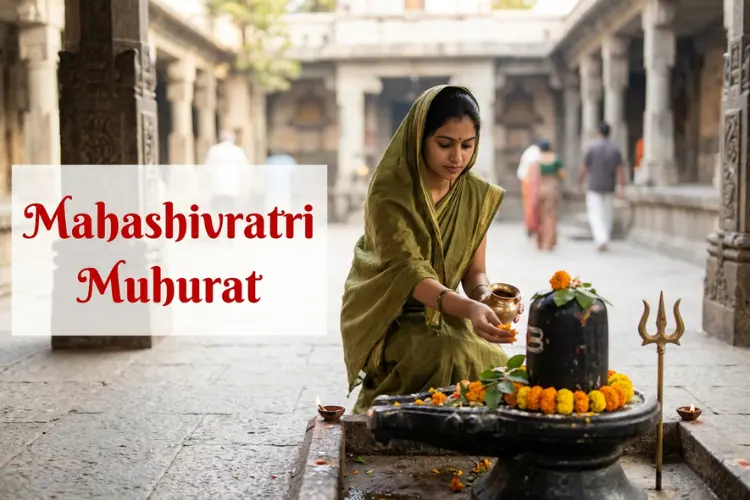
Mahashivaratri is among the most sacred nights in the Hindu calendar. It is a night when worshipers perform fasts, prayers and Vedic rituals in worship of Lord Shiva. What distinguishes this festival from other Hindu festivals is its dedicated nature and also because the timing of all observances has set Muhuratas, or auspicious times.
This is not a festival where one can do puja or rituals at any given time. The possibility of Mahashivaratri’s benefits (the power) rests on a person following the right sequence of rituals and the right Muhurat (timing).
Why Is Muhurat Important? Talk to Our Expert Astrologers to Know More. & Get First Consultation Absolutely Free
When is Mahashivratri Observed?
Mahashivratri occurs on the 14th day of the month of Phalgun in the Krishna Paksha phase of the moon (the full lunar month’s last full Moon) which is all very important as during this same month it occurs on the darkest day of this lunar month (the date when there is no full Moon) (New Moon) where one is directed to look within and meditate when they have an opportunity to elevate themselves spiritually.
Why Muhurat Matters on Mahashivratri?
Mahashivratri is not merely fasting or offering of prayers. It is about acting in concert with specific time frames during the night.
Each Muhurat during this night is believed to:
- Strengthen the effect of prayers and offerings
- Support spiritual practices like meditation and chanting
- Help calm the mind and reduce distractions
How to Observe Mahashivratri?
- Stay Awake – maintaining a vigil through the night helps to improve spiritual concentration.
- Chanting: chant the names of Lord Shiva using water or something else to nourish or to cleanse the Shivling.
- Abhishek: Perform make Abhishek to the Shivling using any number of the five ingredients (water, honey, milk, etc.).
- Fasting: fast for all or part of the day and eating only very light (sattvic) foods.
Important Muhurats on Mahashivratri
Nishita Kaal (Midnight Muhurat)
This is the most important time of the night. It usually falls around midnight and is considered the peak moment for Shiva worship.
- Ideal for chanting “Om Namah Shivaya”
- Best time for Abhishek (offering milk, water, or other items to the Shivling)
- Considered the most powerful Muhurat of the festival
Four Prahars of the Night
The night of Mahashivratri is divided into four parts, known as Prahars. Each Prahar has its own significance:
- First Prahar – Beginning of the night, good for starting fast and basic prayers
- Second Prahar – Deeper focus, suitable for chanting and quiet worship
- Third Prahar – Strong for meditation and internal reflection
- Fourth Prahar – Early morning period, ideal for concluding rituals and prayers
Final Note
Mahashivratri is not merely about the number of actions taken, but about performing actions with awareness and in accordance with the timing of the Muhurats. The Muhurats of Mahashivratri create a time frame that encourages you to take time to slow down and reflect internally. Performing all of the rituals or just one ritual is going to help you create clarity and balance in your life when performed with proper timing.
In summary, Mahashivratri is not simply a night of prayer; it’s also an opportunity to unwind, reflect and revisit your relationship with yourself.
Read the 2026 Detailed Month-Wise Report to Learn More About the Various Aspects of Your Life in 2026.