






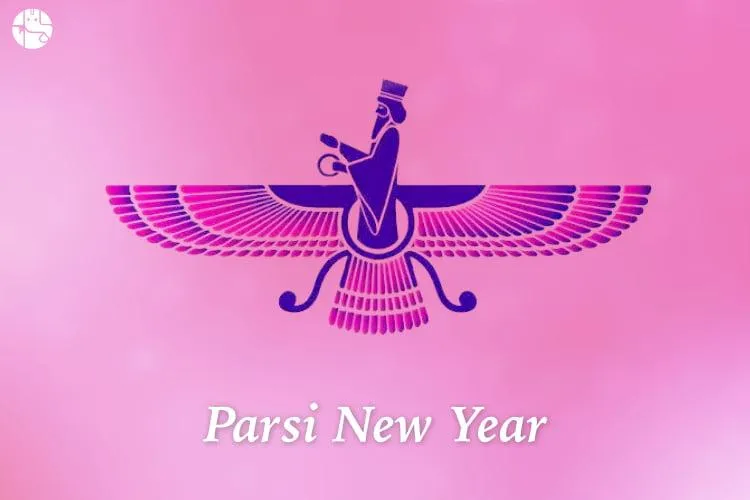
The Parsi New Year, also known as Navroz or Jamshedi Navroz, is celebrated every year to mark the beginning of the new Iranian calendar. This is the famous festival of Parsi community – Parsi New Year (Nowruz) in 2026 will be celebrated on: Sunday, August 16, 2026
Why do Indians celebrate Parsi New Year in August?
While Navroz is celebrated in March for most of the world, in India, it will be celebrated later, on Sunday, August 16, 2026. In India, the Shahanshahi calendar is followed by the Parsi community which does not take leap years into account and thus Parsi New Year 2026 will be celebrated 200 days later i.e August 16.
Significance Of Parsi New Year
Originally from Persia, Parsis follow Zoroastrianism, which was founded by Zarathustra in Persia. This day is also known as Jamshed-i-Nouroz after the Persian King Jamshed who have introduced the Parsi calendar. The celebration of Parsi New Year is said to have begun some 3000 years ago. The term Navroz is derived from two Persian words, ‘Nav’ meaning ‘new’ and ‘Roz’ meaning ‘day’. Hence, Navroz means ‘a new day’.
Get First Call Or First Chat Absolutely Free! Consult Now!
About Parsi New Year Celebration | How Is Parsi New Year Celebrated
The celebration of Parsi New Year is almost similar to that of the Nowruz spring festival. Navroz celebrations begin on New Year’s eve, also known as Pateti, where Parsis celebrate, have fun and enjoy every moment of their special New Year. On the day of Pateti, they take a bath early in the morning and get dressed in their traditional attire, visit the Fire Temple, or Agiary, where they offer flowers and milk to the holy fire. Also, Parsis on this day, clean their house, visit friends and relatives, exchange gifts, make donations to charity, and have lots of fun and frolic. It is believed that during the Parsi New Year, people should mend out any broken relations, as that would bring more happiness and good luck to the family.
Parsi New Year Special Food
On the New Year, Parsis also decorate their homes with lights, make beautiful rangolis and greet guests by saying Navroz Mubarak and sprinkling rose water on them. Food plays a very important role in Nowruz or Navroz celebration- Parsi New Year celebration and people make a lot of savoury and sweet desserts for this special day. They make and eat delicious Parsi delicacies like Dhansak, Berry Pulao, Farcha, Patra Nu Machhi and Salli Boti.
Conclusion:
This is the time of the year when Parsi families get together and mend up their old love and bond. Ganesha wishes you and your family a Very Happy and Prosperous Parsi New Year.
Know the significance of Parsi New Year according to Vedic astrology, Talk To An Astrologer Now!
With Ganesha’s Grace,
GaneshaSpeaks.com
FAQs
Why do Indians celebrate Parsi New Year in August?
In India, the Parsi community follows the Shahanshahi calendar, which does not account for leap years. As a result, Parsi New Year, also known as Navroz, is celebrated in August, specifically on August 16, 2026, rather than in March as it is in many other parts of the world.
What is the significance of Parsi New Year?
Parsi New Year, or Navroz, marks the beginning of the new Iranian calendar. It is a time for Parsis to celebrate new beginnings, mend broken relationships, and bring happiness and good fortune to their families. The festival is rooted in Zoroastrianism, founded by Zarathustra in ancient Persia.
How do Parsis celebrate the Parsi New Year?
Parsis celebrate the Parsi New Year by cleaning their homes, wearing traditional attire, visiting the Fire Temple to offer flowers and milk to the holy fire, and spending time with family and friends. They also decorate their homes with lights and rangolis, exchange gifts, and enjoy traditional Parsi dishes.
What traditional foods are prepared during Parsi New Year?
During Parsi New Year, a variety of traditional Parsi dishes are prepared, including Dhansak, Berry Pulao, Farcha, Patra Nu Machhi, and Salli Boti. These dishes are an important part of the celebration, bringing families together over a shared meal.
What is the historical background of Parsi New Year?
Parsi New Year has its origins in ancient Persia, where it was introduced by King Jamshed. The festival has been celebrated for approximately 3000 years and is deeply rooted in the Zoroastrian faith. The name ‘Navroz’ comes from the Persian words ‘Nav’ (new) and ‘Roz’ (day), symbolizing a new beginning.