





Today’s Panchang for Mumbai
Aaj Ka Panchang for Mumbai, India with Tithi, Nakshatra, Yoga, Karana, Sunrise, Sunset, Rahu Kaal, Abhijit Muhurat, and other auspicious timings for 10 July 2023 Monday.


Mumbai, Maharashtra, India 10 July, 2023


Krishna Paksha Ashtmi
Mon, 10 Jul 2023 (Default Time: 5:30 AM)
July2080 Kālayukta Samvantsara


06:06 AM

07:21 PM
 Panchang |
||
|---|---|---|
| Tithi | : | Krishna Paksha Ashtmi up to 06:49 PM |
| Nakshatra | : | Revati up to 07:04 PM |
| Yoga | : | Atiganda up to 12:37 PM |
| First Karana | : | Balav up to 09:24 AM |
| Second Karana | : | Kaulav up to 06:49 PM |
| Vaar | : | Monday |

 Inauspicious Time |
||
|---|---|---|
| Gulikai Kalam | : | 12:00 AM |
| Yamaganda | : | 12:00 AM |
| Dur Muhurtam | : | 12:30 PM 02:54 PM |
| Rahu Kalam | : | 12:00 AM |

 Additional Info |
||
|---|---|---|
| Sunrise | : | 06:06 AM |
| Sunset | : | 07:21 PM |
| Shaka Samvat | : | 1944 Śubhakṛta |
| Sun Sign | : | Cancer |
| Moon Sign | : | Meen |
| Paksha | : | Krishna |

 Auspicious Time |
||
|---|---|---|
| Abhijit | : | 12:00 AM |

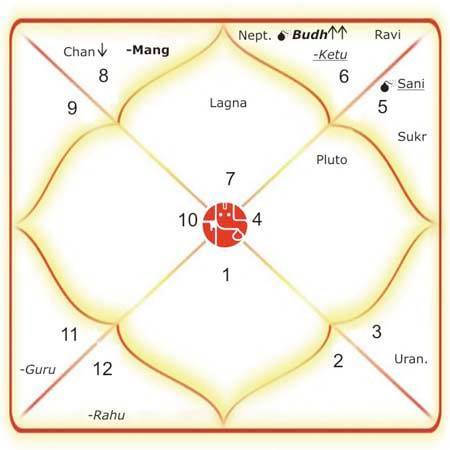
Lagna Kundali
Lagna Chart At Sunrise

Me
4Ma , Ve
5Asc, Su
3Ju , Ra , Ha
1Mo , Ne
12Ke
7Sa
11Pl
10Moon Chart At Sunrise
Ju , Ra , Ha
1Sa
11Mo , Ne
12Pl
10Su
3Me
4Ma , Ve
5Ke
7| Planets | Sign | Degree | Nakshatra | Charan |
|---|---|---|---|---|
| Ascendant |
 |
14° 7′ 31″ | Aadra | 3 |
| Sun |
|
23° 20′ 14″ | Punarvasu | 2 |
| Moon |
 |
22° 23′ 14″ | Revati | 2 |
| Mars |
 |
5° 31′ 14″ | Magha | 2 |
| Mercury |
 |
3° 29′ 14″ | Pushya | 1 |
| Jupiter |
 |
16° 35′ 14″ | Bharani | 1 |
| Venus |
|
1° 26′ 14″ | Magha | 1 |
| Saturn |
 |
12° 38′ 14″ | Satbhisha | 2 |
| Rahu |
|
5° 54′ 14″ | Ashwini | 2 |
| Ketu |
 |
5° 54′ 14″ | Chitra | 4 |
| Harshal |
|
27° 53′ 14″ | Krutika | 1 |
| Neptune |
|
3° 29′ 14″ | Uttarabhadrapad | 1 |
| Pluto |
 |
5° 14′ 14″ | Uttarashadha | 3 |

The Five Limbs of Today’s Panchang
Panchang – Tithi – Nakshatra – Yoga – Karana – Vaar
All timings calculated from local sunrise – Drik (Sayana) Panchang
Krishna Paksha Ashtmi
Krishna
Revati
Mercury
Atiganda up to 12:37 PM
Atiganda
balav up to 09:24 AM
Balav
Monday
Jupiter
SAMVATSARA
2080 Kālayukta
VIKRAM SAMVAT
2080 Kālayukta
SHAKA SAMVAT
1944 Śubhakṛta
PAKSHA
Krishna Paksha
RITU
Varsha
AYANA
Dakshinayana

Today’s Hora (planetary hours)
Moon
6:06 AMSaturn
7:12 AMJupiter
8:18 AMMars
9:25 AMSun
10:31 AMVenus
11:37 AMMercury
12:43 PMMoon
1:50 PMSaturn
2:56 PMJupiter
4:02 PMMars
5:08 PMSun
6:15 PMVenus
7:21 PMMercury
8:15 PMMoon
9:08 PMSaturn
10:02 PMJupiter
10:56 PMMars
11:50 PMSun
12:43 AMVenus
1:37 AMMercury
2:31 AMMoon
3:25 AMSaturn
4:19 AMJupiter
5:12 AM


What is Panchang?
In Hindu culture, Panchang is a traditional system for measuring and interpreting time. Unlike a standard calendar, which only marks dates, Panchang is a daily guide combining time, moon position, date cycle, and planetary calendar. People consult it to determine whether a particular moment is suitable for an important activity. Before beginning significant work, performing rituals, or making personal decisions, many individuals turn to the Panchang. This practice is not rooted in blind belief. Practical respect for timing and the natural rhythms of life forms its real basis.
Tithi (तिथि) – The Lunar Day
Tithi represents the lunar day. Tithi is defined by each 12-degree increment in the angular distance between the Sun and the Moon. Every Tithi carries its own quality. Certain Tithis support the beginning of new tasks. Others are more appropriate for rest or quiet reflection. Ritual settings rely on the Tithi to determine which ceremonies are appropriate and which should be delayed. Across all components of the Panchang, Tithi sees the most frequent consultation.
Types of Tithis & Their Impact:
| Name | Gender | Meaning |
|---|---|---|
| Pratipada (1st) | Waxing/Waning | Good for beginnings, new ventures |
| Panchami (5th) | Waxing/Waning | Good for spiritual practices, mantras |
| AaatmDashami (10th)ayoni | Waxing/Waning | Favorable for wealth & prosperity |
| Amavasya (New Moon) | Waxing | Good for spiritual retreat, not for new beginnings |
| Purnima (Full Moon) | Waxing | Enhances clarity, intuition, and success |
Example : Marriage ceremonies are avoided on Amavasya, as it is considered inauspicious.
Nakshatra (नक्षत्र) – Star Constellation
Nakshatra is a lunar mansion that indicates the Moon’s precise position along the zodiac at a given time. Twenty-seven Nakshatras are commonly used, while a twenty-eighth, Abhijit, is occasionally included for specific muhurat purposes. The Moon usually transits one Nakshatra in about a day. Nakshatra is used to assess the qualitative tone of the day and the suitability of activities such as travel, rest, or creative work.
Some Nakshatras & Their Effects:
| Nakshatra | Ruling Planet | Effect on Career & Life |
|---|---|---|
| Rohini | Moon | Brings wealth & beauty |
| Magha | Ketu | Ancestral blessings, leadership qualities |
| Vishakha | Jupiter | Good for business & politics |
| Moola | Ketu | Sudden changes, deep spiritual growth |
Example : A baby’s naming ceremony is often planned based on a favorable Nakshatra.
Yoga (योग) – Planetary Combinations
In Panchang, Yoga emerges from a specific combination of the Sun and the Moon’s positions. The calculation involves adding the longitudes of both planets and then dividing that sum into fixed segments. Each Yoga is traditionally associated with a particular quality or tendency of the day. Some Yogas favour new efforts. Others advise caution. Knowing the Yoga provides an additional and practical layer when choosing the right time for action.
Beneficial & Malefic Yogas:
| Yoga Type | Nature | Effect on Life |
|---|---|---|
| Siddhi Yoga | Auspicious | Enhances success in business & spirituality |
| Vyatipata Yoga | Inauspicious | Creates challenges, instability |
| Ravi Yoga | Auspicious | Best for leadership & government work |
| Vishkumbha Yoga | Inauspicious | Brings delays & obstacles |
Example : Important tasks like starting a business are avoided during inauspicious Yogas.
Karana (करण) – Half of a Tithi
Karana is half of a Tithi. One full Tithi contains two Karanas. Eleven Karanas exist in total, of which four are fixed and the remaining seven repeat. It helps assess the suitability of that time segment for practical activities. Physical work, travel, and financial matters find preference under certain Karanas. Other Karanas work better for finishing pending responsibilities rather than launching something new.
Types of Karanas:
| Karana | Effect on Life |
|---|---|
| Bava | Success in financial matters |
| Balava | Good for spiritual practices |
| Kaulava | Favorable for relationships & diplomacy |
| Vishti (Bhadra) | Avoid for new ventures |
Example : Travel is avoided during Vishti Karana, as it may bring obstacles.
Vara (वार) – The Day of the Week
Each weekday is traditionally associated with a specific planetary ruler. The Sun rules Sunday. Monday falls under the Moon’s domain. Tuesday comes under Mars. Wednesday belongs to Mercury. Thursday is governed by Jupiter. Friday is ruled by Venus. Saturday falls under Saturn’s influence.
| Nakshatra | Ruling Planet | Best for |
|---|---|---|
| Monday | Moon | Healing, emotional balance |
| Tuesday | Mars | Strength, courage, but avoid legal matters |
| Wednesday | Mercury | Business, negotiations |
| Thursday | Jupiter | Education, spiritual growth |
| Friday | Venus | Marriage, arts, luxury |
| Saturday | Saturn | Discipline, real estate |
| Sunday | Sun | Government work, leadership |
Example : Buying gold on Friday is considered auspicious due to Venus’s influence.
The Five Elements of Panchang
In Hindu culture, Panchang is a traditional system for measuring and interpreting time. Unlike a standard calendar, which only marks dates, Panchang is a daily guide combining time, moon position, date cycle, and planetary calendar. People consult it to determine whether a particular moment is suitable for an important activity. Before beginning significant work, performing rituals, or making personal decisions, many individuals turn to the Panchang. This practice is not rooted in blind belief. Practical respect for timing and the natural rhythms of life forms its real basis.
How to Read Panchang
Reading the Panchang might seem complicated initially. Even a fundamental understanding serves well for most daily needs. Begin by noting the current Tithi. This reveals the lunar day. Next, turn to the Nakshatra. It shows the Moon’s position and the qualitative tone or traditional nature of the day. Then examine the Yoga and Karana. These two elements show whether the moment favours action or asks for restraint. Rahu Kaal also needs attention. Traditionally, new auspicious beginnings or important starts are avoided at this time; routine work continues. For any undertaking that holds genuine importance, determine whether a Shubh Muhurat falls inside your selected period. With regular practice, the whole process becomes smooth and requires only a small amount of time.
When Should One Check Panchang
Consulting the Panchang is traditionally considered useful or commonly consulted before travel, business launches, religious ceremonies, or a change of residence. Many people also check it before signing agreements or making significant purchases. One need not consult the Panchang for every minor daily task. But when a task bears emotional significance or financial implications, a brief review of the five elements gives helpful guidance or practical direction.
Role of Panchang in Muhurat Selection
Muhurat selection ranks as one of the primary applications of Panchang. Marriage dates, Griha Pravesh, naming ceremonies, and business openings all rely on Muhurats drawn from the Panchang. An expert looks at all five elements together to locate a time period with minimized traditional doshas or unfavourable combinations. No chosen Muhurat can remove every hardship from any future effort. But a well-selected one does something valuable. It gives a respectful, carefully considered beginning to any important work.
Difference Between Panchang and Hindu Calendar
A Hindu calendar shows dates, months, and festivals. It tells a person when a holiday or observance falls. Panchang goes further. It describes the quality of time, not just its date. Two days with the same civil date in different years, or similar calendar dates, may carry different Panchang combinations. Yet those days can feel completely unlike each other if their Panchang elements differ.
Panchang and Planetary Positions
Panchang is primarily linked to the Sun, Moon, and time-based astronomical calculations. Tithi depends entirely on the relationship between the Sun and the Moon. Nakshatra depends on exactly where the Moon is located. Yoga comes from the same positions. Karana is derived from the division of Tithi. Without Panchang, one may know general planetary movements, but it becomes harder to apply that information in daily life.
Why Panchang Still Matters Today
Checking the Panchang does not take much time. A few minutes each morning are sufficient. This small regular habit brings more awareness to ordinary daily actions. Modern schedules often feel crowded and stressful. In such times, the Panchang offers a structured pause. It does not oppose digital tools. Instead, it works beside them smoothly. Many people feel that regularly checking the Panchang helps them make decisions more mindfully. The Panchang continues to matter. Not because it guarantees remarkable results. It matters because it builds a habit of respecting timing. And respectful timing leads to calmer, more confident living in any age.
Festivals & Vrats This Week
Loading upcoming festivals…